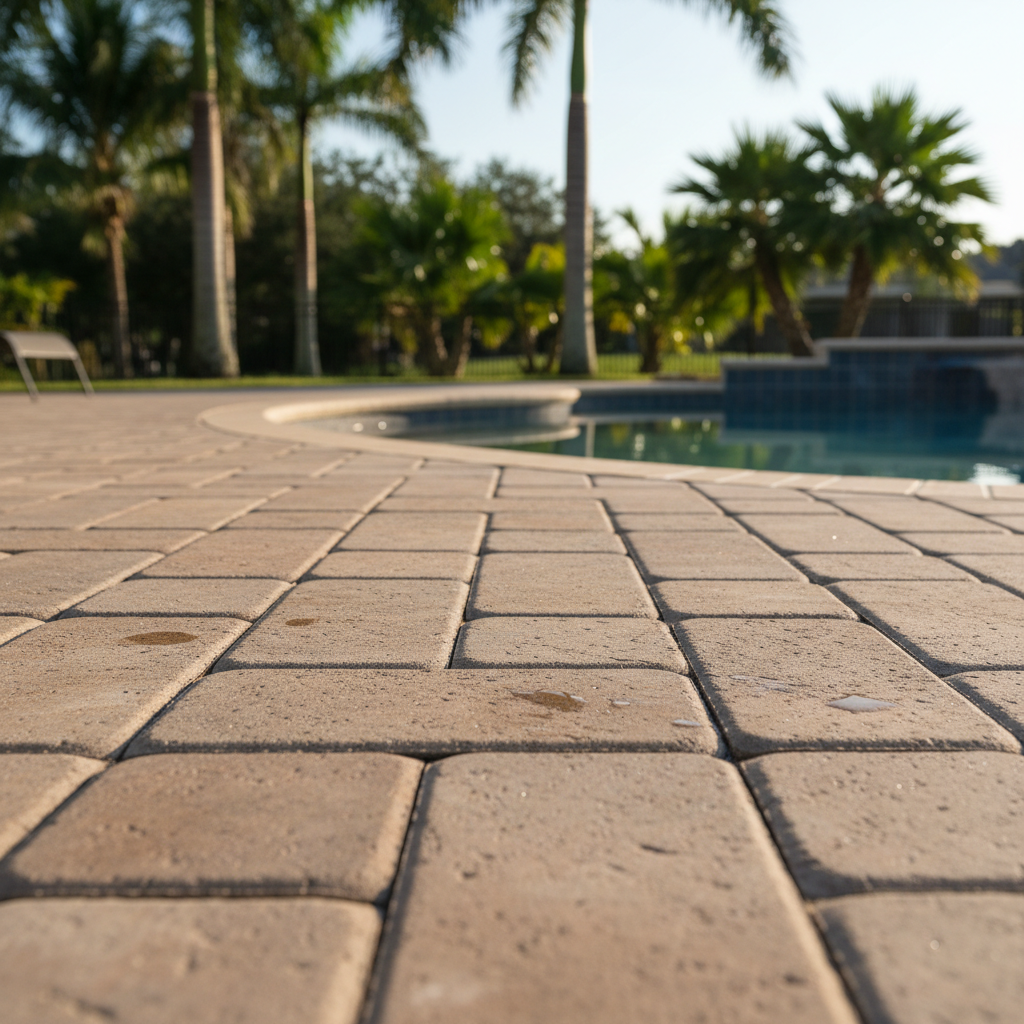
Thinking about a new pool deck, or maybe just sprucing up an old one? Good. I get a lot of questions about pool decks here in Orlando, and that's smart. It's a big investment, after all, and you want to get it right. I'm going to tackle some of the most common things people ask me, straight up, no fluff.
What's the best material for an Orlando pool deck?
This is probably the number one question I get. Honestly, there's no single "best" because it really depends on what you're looking for. Here in Florida, especially with our intense sun and humidity, you've got to think about heat, how slippery it gets, and how well it'll hold up to chlorine and constant moisture.
Concrete pavers are super popular, and for good reason. They come in tons of colors and patterns, they're durable, and if one gets damaged, you can usually swap it out without tearing up the whole deck. Travertine is another excellent choice; it stays cooler underfoot than most concrete, which is a huge plus in July. It's a natural stone, so it looks high-end, but it does need sealing every few years.
Then there's composite decking. It's low maintenance, won't rot or splinter, and many brands offer good slip resistance. The downside? It can get really hot – some composites just bake in the sun. Wood, like pressure-treated pine or cedar, can work, but you're signing up for more maintenance: regular sealing, staining, and keeping an eye out for rot or termites, which are a real problem down here. I've seen too many wooden decks around places like Winter Park get eaten alive if they're not properly maintained.
Do I need a permit to build or replace my pool deck?
Absolutely, yes. Don't even think about skipping this. In Orlando and Orange County, any significant construction or alteration to your property, especially around a pool, requires a permit. This isn't just bureaucracy, you know; it's about safety. They're checking that the deck meets local building codes, which include things like proper drainage, structural integrity, and sometimes even setbacks from property lines or easements. If you build without a permit, you could face fines, be forced to tear it down, and it can cause huge headaches if you ever try to sell your house. A good contractor, like us at Orlando Deck Construction, will handle all the permitting for you. It's part of the job.
How do I choose a color that won't get too hot?
This is critical for our climate. Dark colors, no matter the material, are going to soak up more heat. You'll feel it on your feet, trust me. Lighter colors – tans, grays, whites, light blues – reflect more sunlight and stay significantly cooler. If you're set on a darker look, consider materials known for their heat-dissipating properties, like certain types of travertine or specialized cool-touch pavers. Even with those, a lighter shade will still be cooler. Always ask for samples and, if possible, feel them in the sun before making a final decision.
What about drainage? Is that really important for a pool deck?
It's huge. Proper drainage isn't just important; it's essential. You don't want water pooling on your deck after a rain shower or from splashes from the pool. Standing water can lead to algae growth, make the surface slippery, and over time, it can damage the deck material itself or even your home's foundation if it's not directed away properly. We design decks with a slight slope, usually about a quarter-inch per foot, to direct water away from the house and into appropriate drainage systems or permeable areas. Sometimes we'll incorporate trench drains or catch basins, especially if the deck is large or has complex angles. It's all about protecting your investment and keeping your family safe.
How long does a typical pool deck installation take?
That's like asking how long a piece of string is, but I can give you a general idea. For an average-sized residential pool deck, say 500-800 square feet, you're usually looking at anywhere from two to four weeks from start to finish. That includes demolition of the old deck if there is one, ground prep, material delivery, installation, and any finishing touches. Things that can affect the timeline are weather (our summer thunderstorms can really slow things down), material availability, the complexity of the design, and any unforeseen issues with the ground or existing structures. Permitting can add a few weeks to the front end of the project, so factor that in too. We always try to give you a realistic timeline upfront.
Can I add features like built-in seating or an outdoor kitchen to my pool deck?
Absolutely, you can, and many people do! Integrating features like built-in benches, planters, or even an outdoor kitchen or bar area can really elevate your pool deck from just a place to walk to a full-blown outdoor living space. When we're designing, we'll talk about these options. It's usually easier and more cost-effective to incorporate these elements during the initial build rather than trying to add them on later. Just remember that adding these features will increase the overall cost and potentially the project timeline, and they might require additional permitting or specific utility hookups for things like gas or water. But if you've got the budget, it's a fantastic way to make your pool area truly yours.
What kind of maintenance will my new pool deck need?
Maintenance varies a lot by material, but no deck is truly zero-maintenance. Even the "low-maintenance" options need some attention. For pavers or natural stone like travertine, you'll want to sweep or blow them off regularly to prevent dirt and debris buildup. A good pressure wash once a year can keep them looking fresh, and you'll need to reseal travertine every 2-3 years. Composite decks are great because they don't need sealing or staining; usually, a good scrub with soap and water or a light pressure wash is all they need. If you go with wood, you're looking at annual cleaning, and then restaining or resealing every 1-3 years, depending on the product and sun exposure. Regardless of material, keep an eye out for any cracks, loose pieces, or signs of wear and tear. Addressing small issues quickly can prevent bigger, more expensive problems down the road. It's just smart ownership.