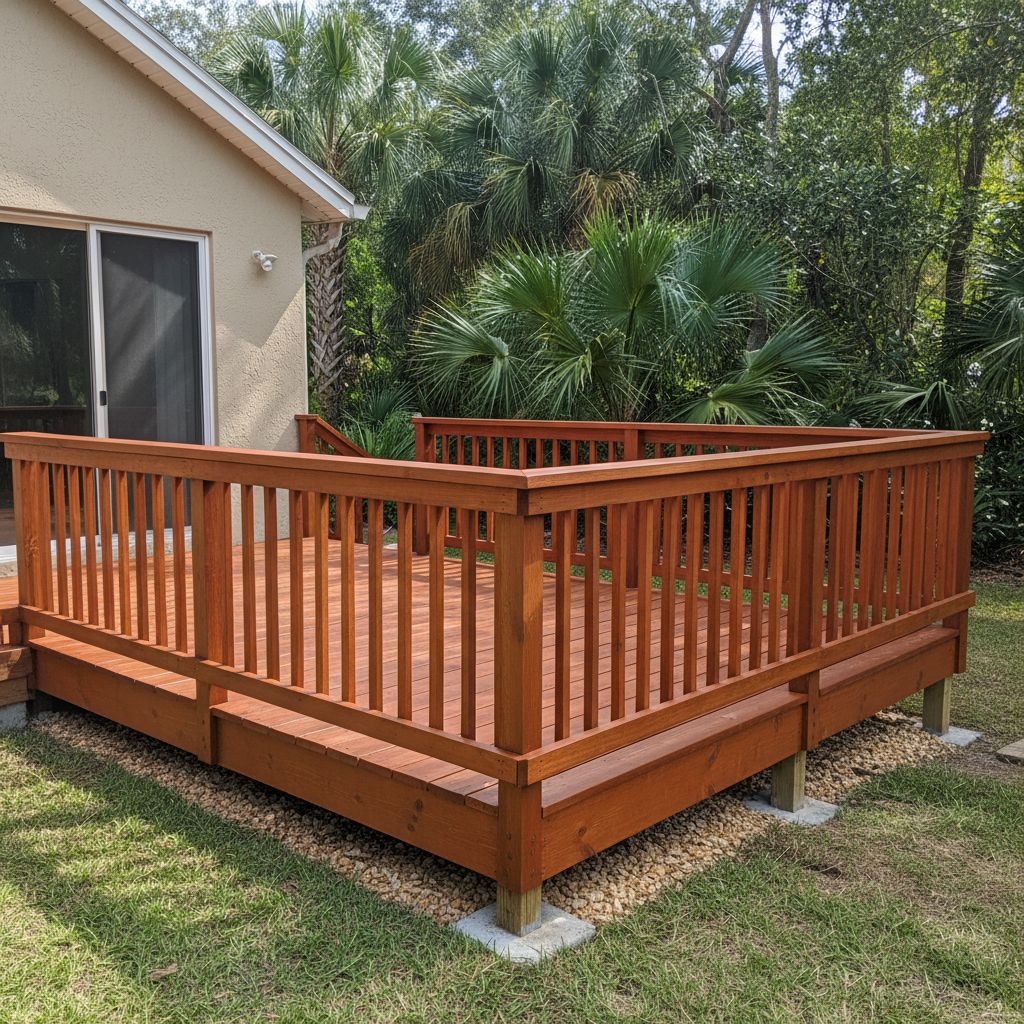
You want your deck to last, right? Of course you do. You've put good money into it, and honestly, it's a huge part of your outdoor living space. But down here in Orlando, our decks face some pretty unique challenges. It's not like up north where folks worry about snow and ice. We're dealing with relentless sun, pounding rain, and humidity that just never quits. That's why smart, regular maintenance isn't just a nice idea; it's absolutely essential if you want your deck to stick around for the long haul.
Your Annual Deck Check-Up: What to Look For
Think of this like a yearly physical, but for your deck. You don't need to be a professional, just pay attention. I tell all my clients, whether I built their deck or not, to do this once a year. Usually, I suggest after the heavy summer rains start to calm down a bit, maybe late fall or early winter. That's a good time.
- Clean it Up: First things first, get rid of all the leaves, dirt, and general crud. Grab a broom or a leaf blower. You can't really see what's going on if it's covered in gunk, can you?
- Wash it Down: A good cleaning is super important. For most wood decks, a pressure washer on a low setting (or even just a garden hose with a scrub brush) and a deck cleaner made for your material works wonders. Just be careful with pressure washers on wood; too high a setting and you'll splinter the wood right up. For composite, a gentle wash is usually all it takes. This step gets rid of mildew and algae, which absolutely thrive in our Florida humidity and can make your deck slippery, plus they degrade the surface over time.
- Inspect the Fasteners: Look at every single screw and nail. Are any popping up? Are any loose? Tighten them down. If you spot a lot of rust, that's either a sign of a bigger issue or, more likely, just cheap fasteners.
- Check for Rot and Damage: This is where our climate really shows its teeth. Constant moisture, especially in shaded spots or where water tends to pool, can lead to rot. Poke around with a screwdriver, especially at the base of posts, joists, and any wood touching the ground. If the wood feels soft or spongy, bingo — you've got rot. Also, keep an eye out for cracks, splinters, or warped boards.
- Railings and Stairs: Give your railings a good shake. Are they sturdy? Are all the balusters (those vertical pieces) secure? Loose railings are a serious safety hazard. Do the same for your stairs. Check the treads and risers carefully.
- Drainage: Make darn sure water isn't pooling anywhere on or under your deck. Good drainage is absolutely key to preventing rot. If you've got planters, ensure they're not holding water right up against the deck surface.
Protecting Your Investment: Sealing and Staining
For wooden decks, this is your best defense against the Orlando elements. You're essentially putting on sunscreen and a raincoat for your deck, all in one go. How often you do it depends on the product you use and how much sun your deck gets, but generally, every 1-3 years is a decent rule of thumb for most stains and sealants.
When you're picking a product, definitely look for something with UV protection. Our sun here is brutal, and it'll fade and dry out wood quicker than you can say 'heat advisory.' A good sealant will repel water, stopping it from soaking into the wood and causing rot, warping, and mildew. If you've got a composite deck, you're mostly off the hook here, though some composite manufacturers do recommend specific cleaners or sealants to keep their warranty valid and maintain appearance.
Warning Signs: Don't Ignore These
Your deck will tell you when it's in trouble, if you just know what to listen for:
- Wobbling or excessive movement: If your deck sways when you walk on it, or railings feel loose, that's a big red flag.
- Soft or spongy wood: As I mentioned, rot is serious business. Don't just ignore it.
- Deep cracks or splinters: These aren't just cosmetic; they can be trip hazards and signal the wood is drying out or degrading badly.
- Mildew or algae that won't clean off: If it's really deeply embedded, it might be compromising the surface itself.
- Sagging boards or joists: This means structural failure is happening or, well, about to happen.
- Pest damage: Termites and carpenter ants absolutely love damp wood. If you see sawdust trails or tunnels, get it checked out immediately.
When to Call a Pro (Like Orlando Deck Construction)
Look, I'm all for DIY, but some things are just best left to the experts. If you see any of those serious warning signs – significant rot, structural issues, widespread sagging, or railings that are genuinely unsafe – it's definitely time to call us. Don't try to patch up major structural problems yourself; you could easily make it worse or, more importantly, create a dangerous situation for everyone. Why risk it?
Also, if you're just plain overwhelmed by the cleaning and sealing process, or you're not sure which products to use, we can absolutely help. Sometimes, a professional cleaning and re-sealing can make your deck look brand new again and save you a ton of time and hassle. We've seen it all, from decks built right on top of our sandy Orlando soil without proper footings to ones that have just been neglected for years. Getting ahead of problems now will save you a lot of money and headaches down the road, trust me.