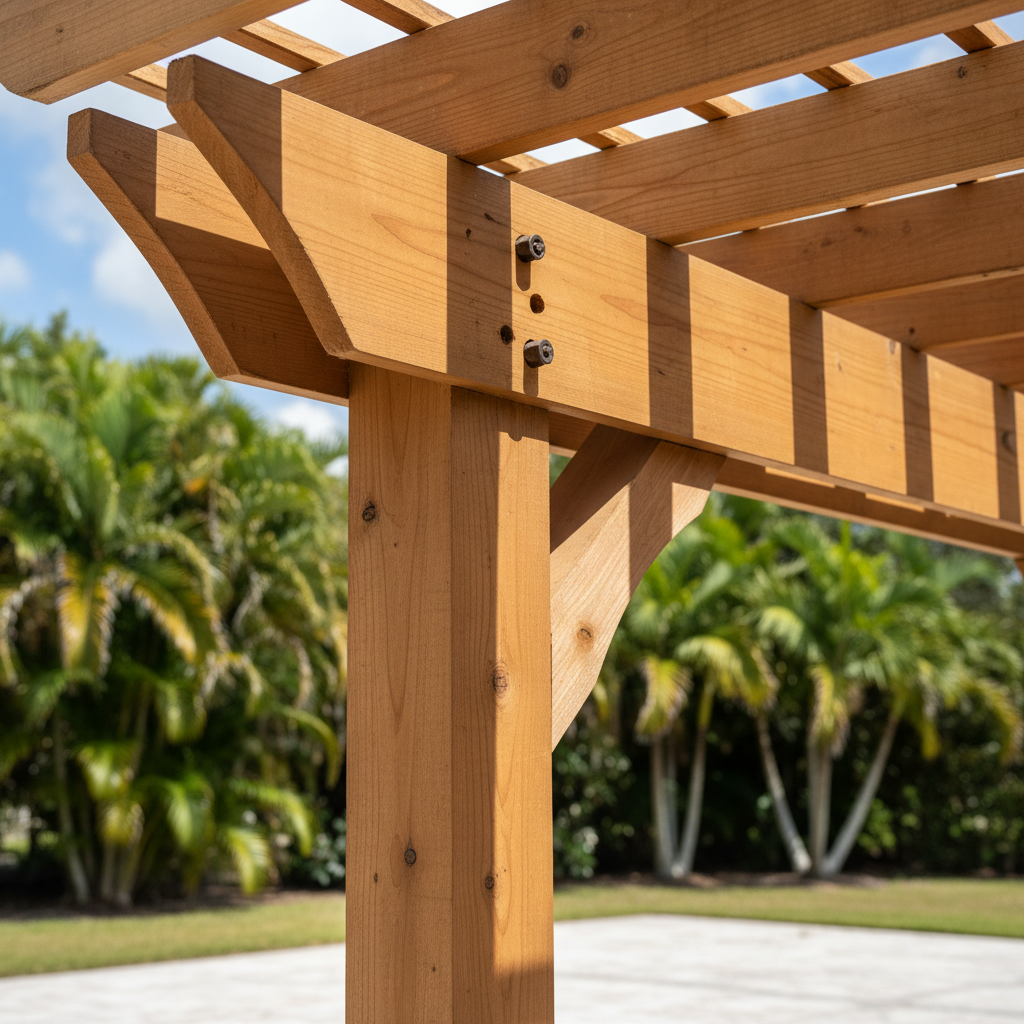
So, you're dreaming of a pergola, huh? A nice shady spot to enjoy our beautiful Orlando weather without getting baked by the sun. I get it. Pergolas are fantastic additions to any backyard, offering a touch of elegance and a whole lot of comfort. But before you grab your hammer, let's talk about what goes into building one, and whether it's a project you should really DIY or if it's time to call in the cavalry.
Before You Start: Planning is Everything
This is where most DIY projects either succeed or fall apart. You can't just wing a pergola. You need a plan, and a good one at that.
- Check Local Codes: First things first, check with Orange County or your city's building department. Even though a pergola might seem simple, it's still a structure. You might need a permit, especially if it's attached to your house or over a certain size. You don't want to build something only to have to tear it down later. Trust me, that's a headache you don't need.
- Design & Location: Think about where you want it and what you want it to look like. Do you want it attached to your house or freestanding? What size? What material? Wood (cedar, pressure-treated pine) is common, but aluminum or vinyl are options too. Consider the sun's path throughout the day and how much shade you actually want.
- Foundation: This is critical, especially here in Florida. Our soil can be sandy, and you need a solid base. You'll likely be digging footings and pouring concrete. Don't skimp here; a wobbly pergola is a dangerous pergola.
- Tools & Materials: Do you have everything you need? Post hole diggers, levels, saws, drills, safety gear? It adds up fast. Make a detailed list and budget for it.
If you're already feeling overwhelmed by this planning stage, that's a pretty good sign that maybe this isn't a full DIY project for you. And that's okay!
During Construction: Where DIY Gets Tricky
Alright, you've got your plan, your permits, and your materials. Now comes the actual building. This is where the rubber meets the road, and where I see a lot of homeowners hit a wall.
- Digging & Footings: You've got to dig those post holes deep enough and wide enough for proper concrete footings. Here in Orlando, with our sandy soil, you really want to make sure your posts are anchored well. We're not dealing with bedrock here, so stability comes from those concrete piers. Get them level and plumb – that's straight up and down. If your posts aren't plumb, the whole thing will look off, and it'll be a nightmare to fix later.
- Heavy Lifting: Pergola posts and beams can be heavy. Really heavy. You'll need help, probably a few strong friends. Trying to hoist a 12-foot beam by yourself is just asking for an injury.
- Precision Cuts & Joinery: This is where the 'skilled' part of skilled trade comes in. Getting precise, square cuts, especially for the top joists and rafters, makes all the difference in how your pergola looks and how long it lasts. If your cuts are off, you'll have gaps, and it just won't look professional. You might need to notch beams or use specific hardware.
- Safety: You'll be working with power tools, at heights, and with heavy materials. Safety is paramount. Don't take shortcuts.
For simple, smaller pergolas, especially freestanding ones that aren't too tall, a handy homeowner with good tools and a couple of buddies can probably pull it off. But if you're talking about a large, attached structure, or something with intricate details, that's when you really need to weigh your skills against the complexity of the job. I've seen too many folks get halfway through, realize they're in over their heads, and then call us in to fix a mess that would have been easier and cheaper to do right the first time.
After It's Built: Maintenance & Enjoyment
So, you've got your pergola up. Congratulations! Now what?
- Finishing: If you used wood, you'll want to stain or seal it to protect it from our intense Florida sun and humidity. This isn't just for looks; it'll extend the life of your pergola significantly. Do this regularly, every couple of years, depending on the product you use.
- Landscaping: Now's the fun part – making it yours! Add some climbing plants like bougainvillea or jasmine for natural shade and fragrance. String up some lights. Get some comfy outdoor furniture.
- Inspections: Periodically check for any loose connections, rot, or insect damage. Our climate is tough on outdoor structures. Catching small issues early can prevent bigger problems down the road.
When should you call a pro like us at Orlando Deck Construction? If you're not confident in your carpentry skills, if the design is complex, if you don't have the right tools, or if you simply don't have the time or extra hands to do it safely and correctly. Sometimes, the peace of mind knowing it's built right, to code, and will last for years, is worth every penny. We do this stuff every day, and we know the ins and outs of building outdoor structures that stand up to everything our Orlando weather can throw at them.
Ultimately, the decision is yours. Just make sure you're honest with yourself about your capabilities and the scope of the project. A well-built pergola is a fantastic investment in your home and your outdoor living space, whether you build it yourself or have a pro do it.